

Peer Perspectives: John N. Fonge, MD, FAAP, FACP
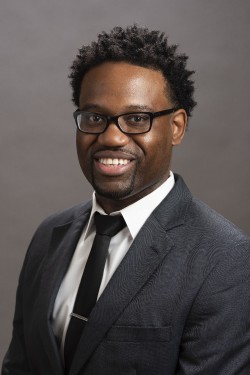
Internal Medicine and Pediatric Hospitalist
Vanderbilt University Medical Center, Nashville, TN
1. What is your current professional position?
I am an internal medicine and pediatric hospitalist at Vanderbilt University Medical Center in Nashville, TN.
2. Why did you choose internal medicine?
I entered medical school intending to become a pediatrician. During my internal medicine rotation, however, I developed a deep appreciation for the complexity and intellectual rigor of adult medicine and found myself unexpectedly drawn to it. An attending physician introduced me to the combined specialty of med–peds, and I quickly recognized how closely it aligned with my interests. I was drawn to the breadth and versatility of combined training, as well as the opportunity to integrate perspectives from both disciplines to care for adults across the full spectrum of wellness, acute illness, and chronic disease.
3. What trends are you seeing in your day-to-day practice (with patients, the health care system, or otherwise)?
As a hospitalist, I continue to see a trend toward increasing patient complexity and acuity within health care systems that often feel constrained in time and resources. Many of the patients I care for are high utilizers of the system due to multiple comorbidities that require thoughtful interprofessional collaboration. Their needs frequently extend beyond medical management alone and include social determinants of health and life circumstances that influence outcomes well outside the hospital walls. Coordinating this level of care can be challenging, but I have been fortunate to work alongside an interdisciplinary team—including a pharmacist, nurse, case manager, social worker, advanced practice providers, and behavioral health specialists—that models collaborative care for patients with complex medical needs across inpatient and outpatient settings.
4. What do you want to accomplish professionally within the next 5 years?
I hope to continue practicing as a med–peds hospitalist, using my dual training to improve the transition of patients with complex medical conditions into adulthood within the adult hospital setting. Strengthening processes that support continuity, communication, and patient-centered care during this critical period remains an important professional goal.
5. Can you share a brief (and anonymous) patient encounter or professional situation that made you proud to be an internal medicine physician?
An elderly patient was admitted after a fall and remained in the emergency department awaiting an inpatient bed. She was alone and visibly anxious. I contacted her daughter and placed the call on speaker so they could speak with one another. Both expressed sincere gratitude for the opportunity to connect. The encounter served as a meaningful reminder that small, compassionate actions can significantly enhance the patient and family experience, even during a busy hospital medicine service.