

Peer Perspectives: Jane M. Zhu, MD, MPP
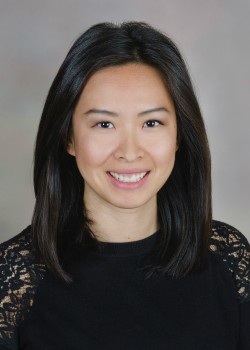
Associate Professor of Medicine and Faculty Research Lead
Division of General Internal Medicine and Geriatrics
Oregon Health & Science University (OHSU)
Portland, OR
Core Faculty, Center for Health Systems Effectiveness
Oregon Health & Science University (OHSU)
Portland, OR
1. What is your current professional position?
I am an Associate Professor of Medicine and Faculty Research Lead in the Division of General Internal Medicine and Geriatrics at Oregon Health & Science University (OHSU) in Portland, Oregon. I am also core faculty at the Center for Health Systems Effectiveness, also at OHSU.
2. Why did you choose internal medicine?
I’ve always been a generalist and am drawn to thinking broadly about problems from a systems perspective. Internal medicine feels like the clinical equivalent of being a generalist, and it aligns closely with my interests in health systems and policy. As a practicing primary care physician, I value the longitudinal relationships that define internal medicine, and I love being able to pair that work with my research in health policy and health services research. In many ways, my experiences caring for patients directly inform the questions I pursue in my research—for example, one bucket of my research is focused on mental health access, in part because my patients have encountered enormous barriers finding psychiatrists and other mental health specialists.
3. What trends are you seeing in your day-to-day practice (with patients, the health care system, or otherwise)?
Patients are changing, with many more presenting with primary mental health concerns, often alongside complex chronic medical conditions. At the same time, the clinical tools available to address these issues continue to expand—more diagnostic testing, more targeted technologies and therapies, and new medications—many of which meaningfully improve patient care.
At the same time, however, the practice environment has become increasingly constrained. Physicians are more likely to be salaried employees with limited control over scheduling, documentation, billing, and day-to-day operations. These pressures shape how care is delivered and have real implications for professional autonomy, burnout, and how clinicians experience joy and meaning in their work.
Together these trends, I believe, are creating a growing mismatch. Patients are more complex and require more time, coordination, and longitudinal engagement, while clinicians have fewer degrees of freedom to deliver that care in ways that feel sustainable or responsive. As a profession, we need to be confronting these problems head-on.
4. What do you want to accomplish professionally within the next five years?
I want to continue pursuing research that addresses core questions about how the health care system functions and how it can be improved. In particular, I’m interested in understanding which state and federal policies are most effective at shaping physician practice patterns, workforce behavior, and access to care, especially for publicly insured populations. My goals are to continue translating this work into evidence that directly informs policy design and implementation and to help build research infrastructure and mentorship pathways that support the next generation of general internal medicine health services researchers.
5. Can you share a brief (and anonymous) patient encounter or professional situation that made you proud to be an internal medicine physician?
I cared for a patient with end-stage renal disease who had been dismissed from multiple dialysis centers due to behavioral challenges. She ultimately presented to my clinic as a new patient while receiving dialysis only twice weekly through emergency departments, an arrangement that was unsafe for her and inefficient for the health care system.
Over the course of an entire year, I worked closely with her nephrologist, emergency department teams, and social workers to secure stable placement in a dialysis center. She was ultimately able to receive consistent, appropriate care, and we developed a strong and meaningful patient-doctor relationship until she sadly passed away last year. This experience highlighted for me the unique role of internal medicine in addressing not only medical complexity but also the social and structural barriers that shape care for our most vulnerable patients.